
Service Name:
Design and Installation of Water Systems and Wastewater Treatment
1. Water System Design (PW & WFI)
Water systems in pharmaceutical facilities typically include Purified Water (PW) and Water for Injection (WFI) in accordance with pharmaceutical standards.
Planning & Analysis Stage
Water demand analysis based on production processes, laboratories, and supporting areas
Determination of water quality standards (e.g., USP, EP, BP, or WHO)
Selection of water treatment technologies:
Pre-filtration: sand filter, carbon filter
Softener: to remove hardness (calcium and magnesium)
Reverse Osmosis (RO): for fine particle and ion removal
Electrodeionization (EDI): to produce Purified Water (PW)
Distillation or membrane systems: to produce WFI
Distribution System Design
Looping system to maintain continuous water circulation and prevent stagnation
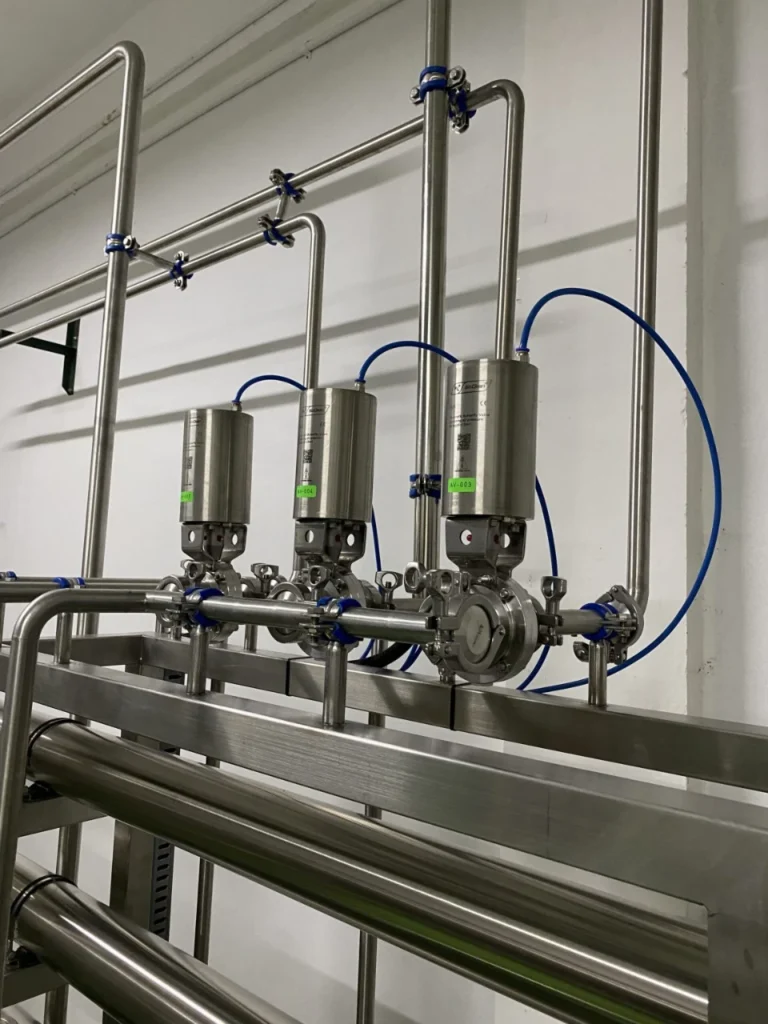
Piping material: SS316L stainless steel or high-grade food-grade PPR
Sanitary design using orbital welding to prevent microbial contamination
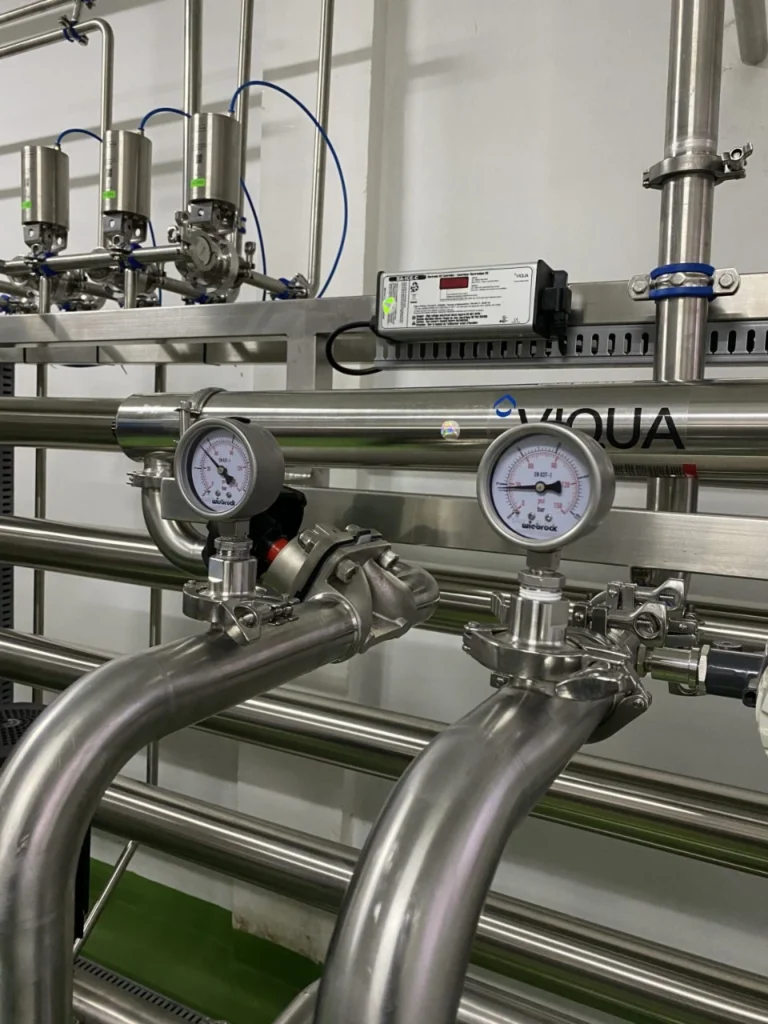
Monitoring systems including temperature, pressure, and water quality sensors (TOC, conductivity)
Design Documentation
P&ID (Piping & Instrumentation Diagram) for the entire water system
2D/3D layout of the water system installation
Equipment specifications: tanks, pumps, RO units, EDI units, WFI generator
2. Water System Installation
Pretreatment installation: filters, softeners, and RO units in the utility area
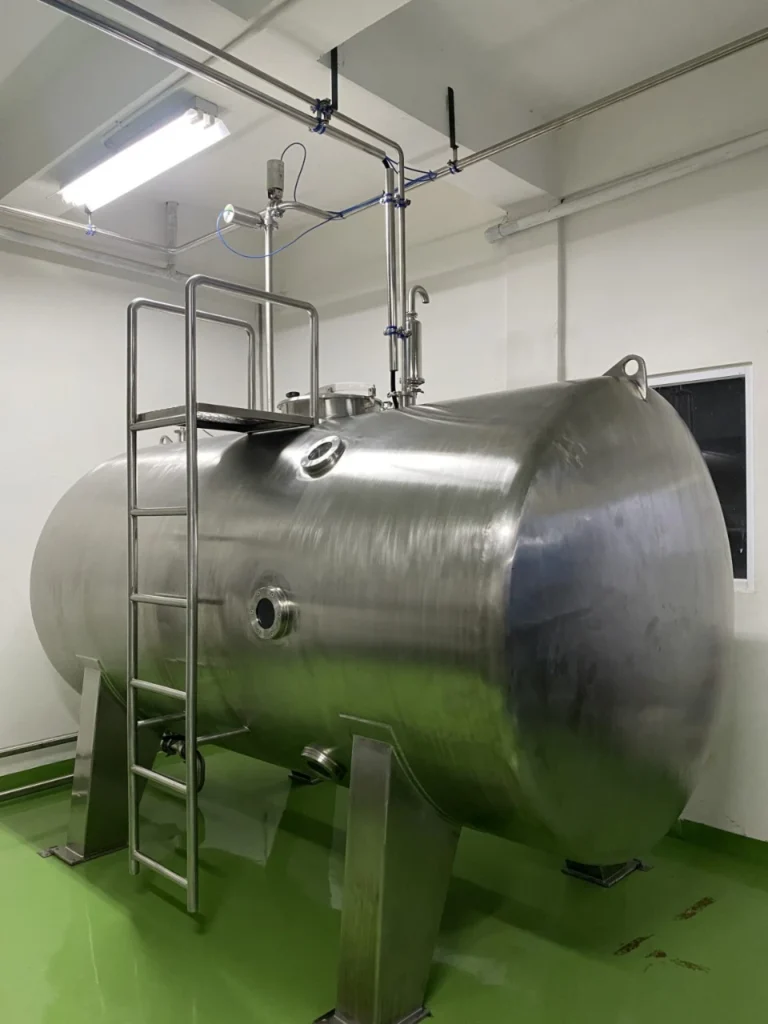
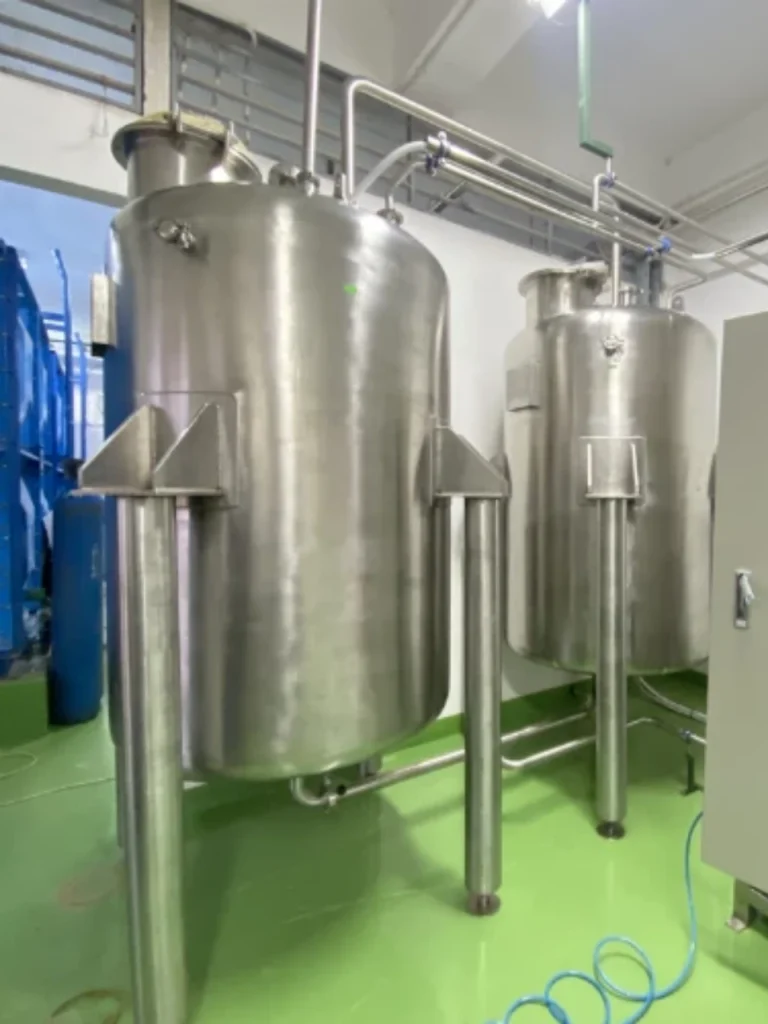
Storage & distribution tanks: PW/WFI tanks with sanitary design and HEPA ventilation
Piping loop installation: stainless steel/WFI piping with orbital welding
Control panel & instrumentation installation: pressure, temperature, and flow sensors
SCADA/BMS integration for automatic monitoring of water quality
3. Wastewater Treatment (WWTP) Design
WWTP is designed to treat wastewater from production, laboratory, and cleaning processes to meet regulatory discharge standards before being released into the environment.
Analysis & Planning Stage
Wastewater characterization: pH, COD, BOD, TSS, microbiological content, and hazardous chemicals
Selection of WWTP technologies :
Equalization Tank: to balance wastewater load
Chemical Treatment: coagulation, flocculation, and pH neutralization
Biological Treatment: aerobic/anaerobic processes using bacteria
Filtrasi & Disinfeksi: sand filter, activated carbon, chlorine/UV
Wastewater Piping Design
Separate piping for hazardous and non-hazardous waste streams
Gravity or pump-based transfer systems for low-level areas
Emergency storage tanks for critical conditions
4. WWTP Installation
Installation of tanks, pumps, blowers, and treatment units according to design
Integration of inlet and outlet piping systems to discharge points
Installation of monitoring sensors for pH, COD, and flow rate
Automation system setup to control treatment processes
5. Qualification & Validation
Installation Qualification (IQ): verifying equipment installation according to design
Operational Qualification (OQ): ensuring all treatment processes operate within defined parameters
Performance Qualification (PQ): verifying treated water and effluent meet pharmaceutical and environmental standards
Services Provided:
DESIGN
We create facilities that are safe, efficient, and compliant with regulations before entering the construction and operational stages.
EXECUTION
We transform designs into fully operational facilities with guaranteed quality, safety, and regulatory compliance.
BPOM ASSISTANCE
We support you in ensuring a smooth BPOM inspection process and obtaining the necessary certifications required for operation.